


TEESHAKHANDALE
BACKEND SOFTWARE ENGINEER • NODE.JS • AI
I build production APIs, backend systems, and AI-powered applications from idea to deployment.
PROJECTS
LAB
SKILLS
EXPERIENCE
2024 - Present
Founder & Product Engineer
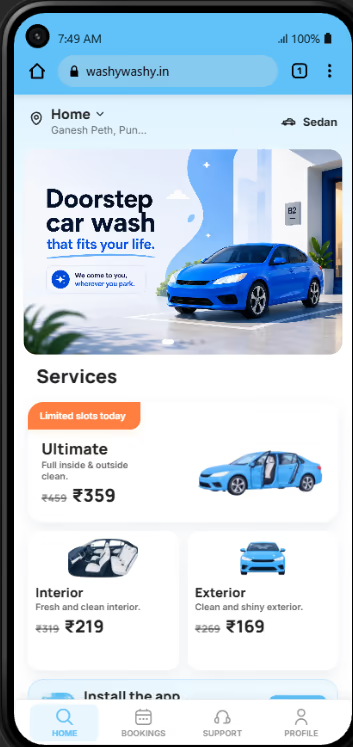
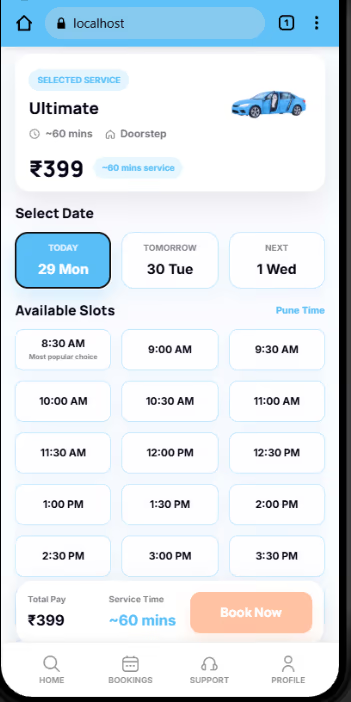
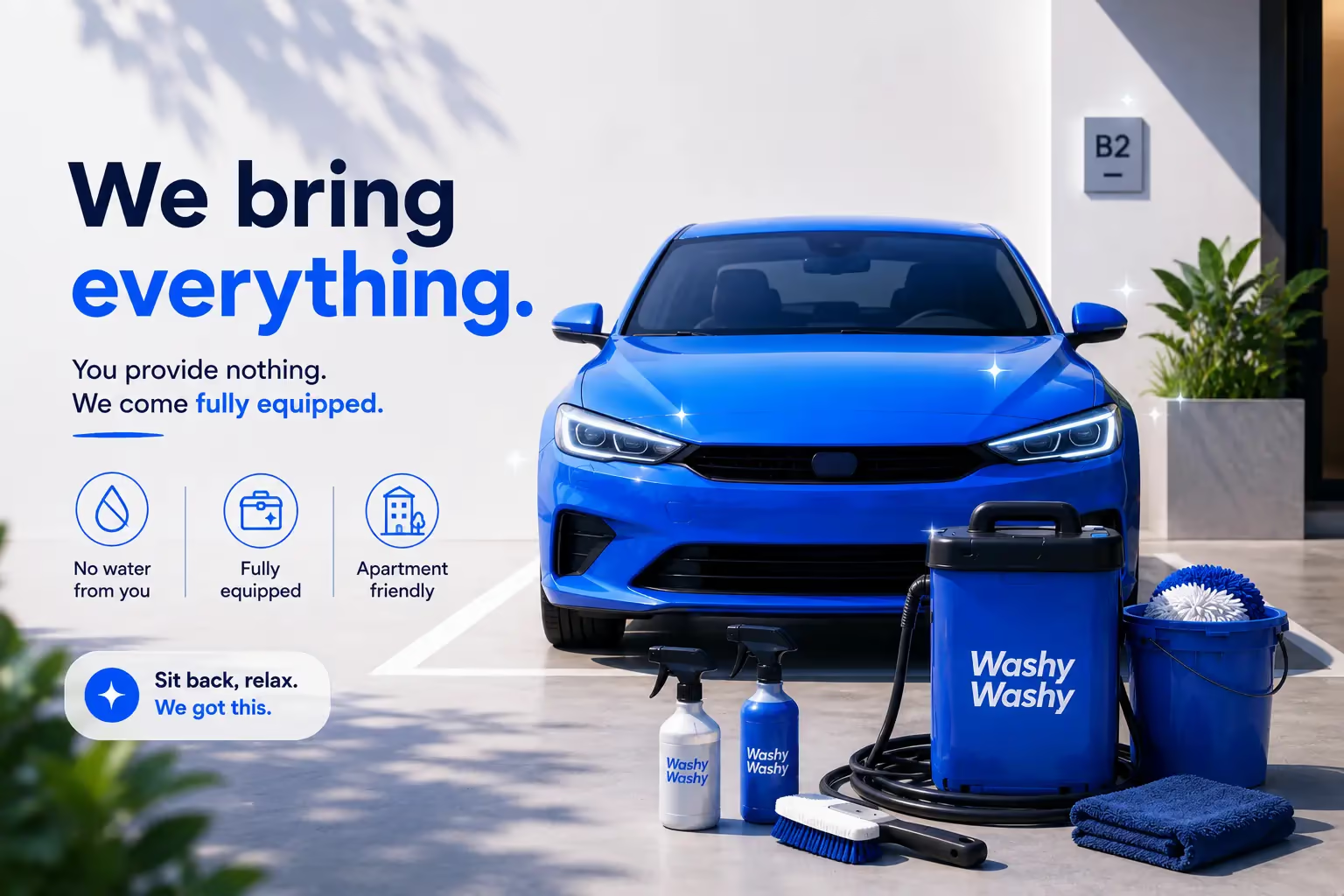
WashyWashyBuilt and launched a production doorstep service platform from scratch, combining engineering, product strategy, operations, marketing, and AI automation into a functioning business serving real customers.
2021 - 2022
Software Engineering Intern
Inflection Zone Dev LabsWorked on production software, repository maintenance, feature implementation, bug fixes, Git workflows, and collaborative development.
2020 - 2024
Freelance Software Developer
International ClientsWorked with international clients delivering web development, technical consulting, SEO, digital strategy, and performance optimization.
Ended June 2026
Product & Growth Contributor
griv.ioWorked within an early-stage startup environment across product and growth initiatives until the engagement ended in June 2026.
ABOUT
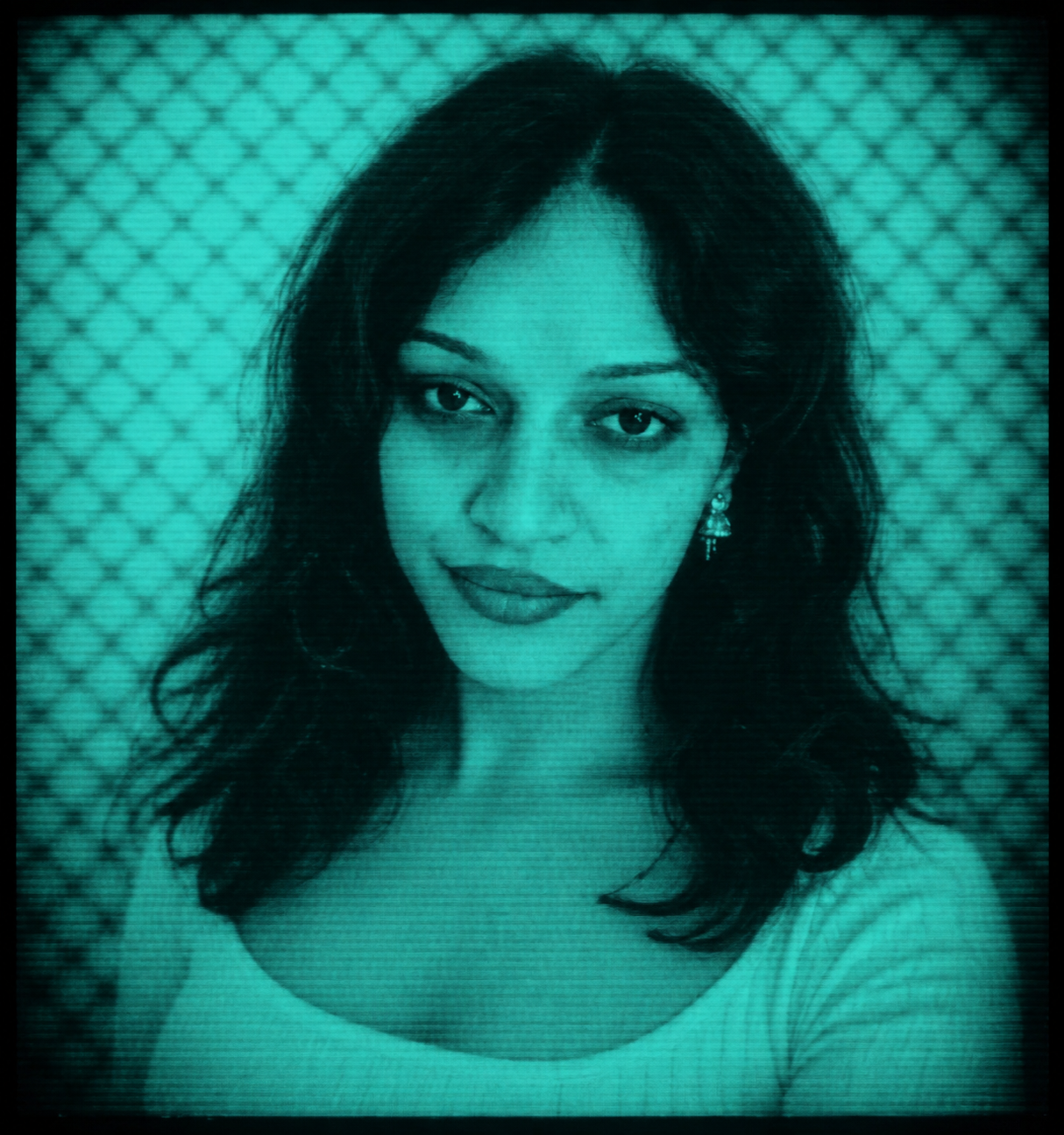
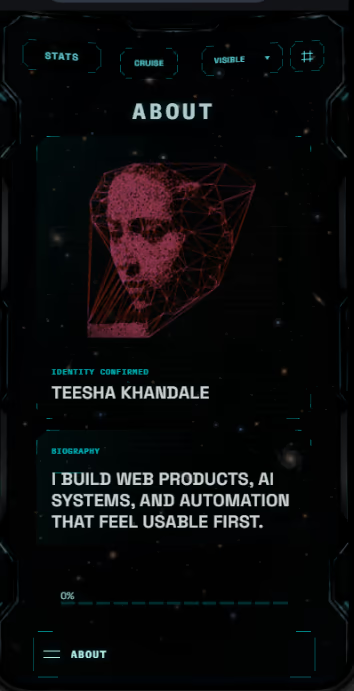
Identity confirmed
TEESHA KHANDALE
Biography
I build backend systems, web products, and AI-powered tools that solve real problems.
I am Teesha Khandale, a backend-focused software engineer based in Pune. I work primarily with Node.js, Express.js, TypeScript, databases, REST APIs, and production infrastructure. I enjoy turning ideas and business requirements into reliable software that is practical, maintainable, and built to ship.
Operating Style
Signal Priority
Current Signal
Currently focused on building production-grade backend systems and practical AI-powered tools, with an emphasis on APIs, data, automation, and software that creates measurable value.
BLOG
June 29, 2026
Sample Build Log: Product Engineering Loop
A sample cockpit log showing how a product idea moves from problem discovery to a shipped working system.
Good products are rarely built by jumping straight into code. The useful work starts before the editor opens.
1. Identify the real workflow
The first step is understanding what people are already doing, where the friction is, and which parts of the workflow are painful enough to justify a product.
2. Build the smallest useful system
An MVP should not be a weak version of the final product. It should be the smallest version that proves the core workflow can work in the real world.
3. Measure the outcome
The launch is only the beginning. Real usage shows what people understand, what they avoid, and what needs to be simplified.
4. Iterate with constraints
Better products come from focused improvements: reducing steps, improving feedback, removing confusion, and making the system easier to operate.
This sample post exists so the blog reader has a real test entry with a thumbnail, tags, body content, and a clear structure.
June 17, 2026
How the Cockpit OS Boots
A short systems note on turning a portfolio into an operator interface.
The cockpit interface treats a portfolio like a small operating system. The frame stays stable while the center modules change.
Sequence
- Boot the environment.
- Allocate the active module.
- Draw connectors from the primary surface.
- Reveal content after the frame is stable.
A good interface should feel like it knows what it is loading.
const moduleState = ['scan', 'expand', 'confirm', 'idle'];Future posts can be added as Markdown files in this folder. Set draft to false and they will appear automatically.
COMMS
Primary Channel
Open a transmission
Send project work, collaboration notes, or technical briefs. Email is the cleanest channel for detailed context.
SEND EMAIL